Decorative rugs make a home feel warmer, more comfortable, and more inviting. They add color, protect certain floor areas, and bring a room’s design together. However, what many homeowners don’t realize is that the space underneath these floor coverings can become one of the most overlooked areas during routine cleaning. For homeowners looking for reliable House Cleaning Dallas TX, understanding what collects beneath rugs and rug pads is an important part of maintaining a cleaner and healthier home.
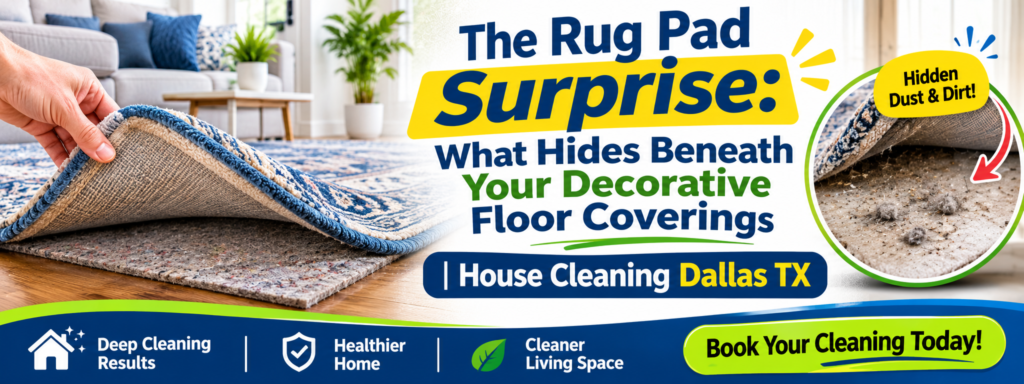
Even when the visible surface of a rug looks spotless, the flooring underneath may tell a different story. Fine dust, loose dirt, pet hair, crumbs, and other debris can gradually work their way beneath the rug. When a rug has a separate non-slip pad, it creates another layer where particles can settle and remain hidden. Without occasional attention, these areas can become neglected spots that affect both the appearance and condition of your floors.
At Walo Maids, we believe a truly clean home involves more than the surfaces people see every day. Paying attention to hidden areas, including the spaces beneath decorative floor coverings, helps homeowners maintain their flooring and prevent dirt from building up over time.
Why the Area Beneath Rugs Is Easy to Overlook During House Cleaning Dallas TX
Most homeowners focus on the visible parts of their floors. They vacuum rugs, sweep exposed flooring, and mop areas that are easy to reach. However, moving decorative rugs is not always part of a regular cleaning routine.
Large area rugs, hallway runners, bedroom rugs, and smaller decorative mats often stay in the same position for weeks or even months. Because they cover the flooring underneath, homeowners may not notice how much debris has accumulated.
There are several reasons this hidden area deserves attention.
Rugs Trap More Than Surface Dirt
Rugs naturally collect particles from everyday household activity. Shoes carry outdoor dirt inside, pets shed hair, and everyday movement causes dust and debris to settle throughout the home.
Some particles eventually move through the rug fibers and reach the floor underneath. Others collect around the edges, corners, and spaces between the rug and its pad.
Even regular vacuuming may not remove everything beneath a rug because the flooring itself remains covered.
Rug Pads Create Another Collection Point
Rug pads are designed to provide cushioning, prevent slipping, and protect flooring from direct contact with decorative rugs. However, they can also create an additional layer where dust and loose debris accumulate.
Depending on the pad’s material and construction, small particles may settle into its texture or become trapped between the pad and the floor.
This is particularly noticeable in homes with thick rugs, textured rug pads, or floor coverings that rarely get moved.
Furniture Can Make the Problem Worse
Area rugs are frequently placed beneath coffee tables, dining tables, sofas, and bedroom furniture. These arrangements make rooms look organized, but they can also make the underlying flooring difficult to access.
When furniture sits on top of a rug, homeowners may avoid moving it during ordinary cleaning. As a result, the covered flooring receives less attention than exposed areas.
What Actually Hides Beneath Decorative Floor Coverings?
The surprise beneath a decorative rug is not always obvious dirt. Different types of household debris can collect underneath, depending on the room, household activities, flooring material, and frequency of cleaning.
Understanding what accumulates helps homeowners recognize why occasional rug removal should be included in their cleaning routine.
1. Fine Dust and Household Particles
Dust is one of the most common things found beneath decorative rugs. It comes from a combination of indoor and outdoor sources, including fabric fibers, skin flakes, tracked-in particles, and everyday household activity.
Air movement can carry these particles throughout a room. Eventually, some settle around rug edges or work their way underneath the covering.
When a rug is lifted after remaining in place for an extended period, homeowners may notice a visible outline of accumulated dust.
Regular vacuuming helps control surface dust, but removing the rug periodically allows the exposed flooring to receive attention too.
2. Loose Dirt and Grit
Small pieces of dirt, sand, and outdoor grit can travel inside on shoes, pet paws, and belongings.
These particles may collect around entryways and high-traffic areas before moving into nearby rooms. When they reach a rug, they can settle underneath or become trapped between the rug and its pad.
This is especially important for homeowners with hardwood, laminate, and other finished flooring.
If gritty particles remain underneath a rug, normal foot traffic can cause movement and friction between the debris and the floor’s finish. Over time, this may contribute to unwanted surface wear.
3. Pet Hair and Dander
Homes with cats and dogs often experience additional buildup beneath rugs.
Pet hair can move beyond visible furniture and carpeted areas. Loose strands may collect around rug edges, while smaller particles can settle beneath floor coverings.
Pet dander may also contribute to the dust accumulation in these spaces.
Regular vacuuming, appropriate floor maintenance, and occasional rug removal can help prevent these particles from remaining undisturbed for long periods.
4. Food Crumbs and Small Debris
Decorative rugs placed in living rooms, dining spaces, and kitchens may collect food crumbs from everyday activities.
A family eating snacks while watching television, children playing on the floor, or a pet carrying food into another room can all contribute to this problem.
Small crumbs may fall between rug fibers and eventually reach the flooring underneath.
Leaving these particles in place can attract insects in some circumstances, particularly when food residue and moisture are also present.
5. Moisture and Residue
Moisture is another concern that homeowners should not overlook.
Spilled drinks, damp shoes, wet pet paws, and recently cleaned floors can introduce moisture beneath a rug. If a rug and its pad are placed back before the flooring is completely dry, moisture may become trapped.
Depending on the materials involved and environmental conditions, prolonged dampness can contribute to unpleasant odors, discoloration, or mold growth.
This is why completely drying the floor before replacing a rug is an important maintenance step.
How Rug Pads Can Affect Different Flooring Materials
Not every rug pad is suitable for every type of flooring. Choosing the wrong material or allowing debris to accumulate underneath can create problems that are difficult to notice until the rug is moved.
Homeowners should consider the type of flooring beneath their decorative coverings.
Hardwood Floors
Hardwood requires careful maintenance because its finish can be affected by friction, moisture, and unsuitable cleaning products.
Dirt trapped between a rug pad and hardwood may create small abrasive particles that contribute to scratches when the rug shifts.
Some rug pads may also react with certain floor finishes, especially when they contain materials or adhesives that are not recommended by the flooring manufacturer.
Choose a rug pad specifically labeled as safe for your hardwood flooring, and inspect the floor periodically.
Laminate Flooring
Laminate flooring is designed to provide a durable surface, but excessive moisture can still cause problems, particularly around seams and edges.
When rugs cover laminate flooring, trapped moisture and accumulated debris should be addressed before they cause visible damage.
Avoid soaking laminate floors during cleaning. Use a lightly damp microfiber mop or a cleaning method approved by the flooring manufacturer.
Tile Floors
Tile is generally easier to maintain, but dirt and debris can still accumulate underneath rugs.
Grout lines are especially important because fine particles can settle into their textured surfaces.
When decorative coverings are removed, pay attention to the grout and surrounding edges. Appropriate cleaning helps maintain the appearance of both the tile and grout.
Vinyl Flooring
Vinyl floors can be sensitive to certain rubber-backed mats and rug pads.
Some materials may cause discoloration or unwanted chemical reactions, depending on the flooring manufacturer’s recommendations.
Always check whether a rug pad is compatible with your particular vinyl flooring before placing it underneath a decorative covering.
Signs That Your Rugs Need to Be Lifted and Cleaned
You do not have to wait until visible dirt appears around a rug before checking underneath it.
There are several signs that suggest it is time to move your floor coverings and inspect the exposed area.
Look for:
- Visible dust around rug edges: Dust collecting along the perimeter may indicate that particles have also settled underneath.
- A musty or unusual odor: Persistent odors may suggest trapped moisture, accumulated debris, or another underlying issue.
- Rugs that shift frequently: A worn, damaged, or unsuitable rug pad may no longer provide proper stability.
- Discoloration beneath the rug: Differences in floor appearance may indicate sunlight exposure, material interaction, or residue buildup.
- Pet hair around the edges: Loose hair collecting around the rug may also be present underneath.
- Gritty flooring after lifting a rug: Small particles underfoot indicate that the area needs attention.
If you notice moisture damage, mold, or discoloration that does not come away with appropriate cleaning, investigate the cause before replacing the rug.
The Right Way to Clean Beneath Rugs and Rug Pads
Cleaning beneath decorative floor coverings does not have to be complicated. A simple maintenance routine can help prevent excessive debris accumulation while protecting your flooring.
However, the cleaning method should always match the type of floor and rug pad involved.
Step 1: Remove Furniture and Lift the Rug
Start by removing lightweight furniture or decorative objects that prevent access to the rug.
Carefully lift the rug rather than dragging it across the floor. Dragging can move trapped debris underneath and potentially scratch delicate flooring.
For heavy furniture and large rugs, ask for assistance to avoid damaging the floor or straining yourself.
Step 2: Inspect the Rug Pad
Before cleaning the floor, examine the rug pad for accumulated dust, loose fibers, stains, or signs of deterioration.
Check whether the material has become brittle, sticky, discolored, or damaged.
If the pad is no longer in good condition, replacing it may be better than continuing to use it.
Step 3: Vacuum the Exposed Flooring
Use a vacuum attachment appropriate for your flooring material to collect loose dirt, pet hair, and dust.
Pay particular attention to:
- The corners where the rug normally sits.
- The perimeter of the covered area.
- Floor seams and grout lines.
- Spaces near furniture legs.
- Areas where pet hair and crumbs tend to collect.
Vacuuming before wiping or mopping is important because it removes abrasive particles that could otherwise be pushed across the surface.
Step 4: Clean According to the Flooring Type
Once loose debris has been removed, clean the exposed floor using an appropriate product and method.
For example:
- Hardwood: Use a manufacturer-approved hardwood cleaner and a soft microfiber mop.
- Laminate: Use a suitable laminate floor cleaner with minimal moisture.
- Tile: Clean with a tile-safe product, paying attention to grout lines.
- Vinyl: Choose a vinyl-compatible cleaner that will not damage the protective surface.
Avoid using excessive water, harsh chemicals, or abrasive scrubbers unless specifically recommended for the flooring.
Step 5: Allow Everything to Dry Completely
Never rush this part of the process.
Make sure the flooring and rug pad are completely dry before putting the rug back into position.
This helps reduce the possibility of moisture becoming trapped between the layers.
Step 6: Replace the Rug Carefully
After inspecting the floor and confirming that the pad is clean and compatible, reposition the rug.
Make sure it lies flat and does not create curled edges or tripping hazards.
If the rug pad has deteriorated, replace it before returning the decorative covering to the floor.
How Often Should You Clean Beneath Your Rugs?
There is no single schedule that works for every home. The appropriate frequency depends on how much activity an area receives and the type of floor covering being used.
However, a practical maintenance schedule can help homeowners stay consistent.
High-traffic areas: Entryway rugs, hallway runners, and living room rugs should be lifted and inspected more frequently because they collect more tracked-in dirt and debris.
Pet-friendly households: Homes with shedding pets may benefit from more frequent inspections, particularly around favorite resting areas.
Dining and kitchen areas: Rugs near dining tables and food preparation spaces should be checked regularly for crumbs, spills, and sticky residue.
Bedrooms and low-traffic rooms: These rugs may require less frequent attention, but they should still be lifted periodically to inspect the floor and rug pad.
A good starting point is to inspect and clean underneath rugs every one to three months, adjusting the schedule based on household activity, flooring type, and visible buildup.
Why Hidden Floor Maintenance Matters for a Cleaner Dallas Home
Dallas homes experience everyday challenges that can contribute to indoor dirt accumulation. Outdoor dust, changing weather, foot traffic, and busy household schedules all influence how quickly floors become dirty.
Even homeowners who regularly sweep, vacuum, and mop may overlook areas that remain covered by decorative rugs.
Including these spaces in your maintenance routine offers several benefits.
Protecting Your Flooring Investment
Flooring is an important part of your home’s appearance and value. Hardwood, laminate, tile, and vinyl all require appropriate maintenance.
Removing trapped dirt and using compatible rug pads can help reduce unnecessary wear and preserve the appearance of your floors.
Reducing Hidden Dirt Accumulation
Cleaning visible surfaces is important, but a thorough routine should also account for areas that are normally covered.
Lifting rugs allows homeowners to remove particles that regular vacuuming and mopping cannot reach.
Keeping Rooms Smelling Fresh
Dust, food residue, pet hair, and trapped moisture can contribute to unpleasant odors.
Regularly inspecting the space underneath rugs helps identify potential sources before they become more noticeable.
Creating a More Complete Cleaning Routine
A clean home is not just about what guests see when they walk through the door.
It is also about maintaining overlooked spaces, reaching difficult areas, and preventing dirt from accumulating in places that rarely receive attention.
When Professional House Cleaning Dallas TX Services Can Help
Keeping up with every corner of a busy home can be challenging, especially when furniture, large rugs, and multiple floor types are involved.
Professional Dallas cleaning services can help homeowners maintain their living spaces through consistent attention to floors, surfaces, and commonly overlooked areas.
Whether you need a maid service Dallas TX homeowners can rely on or a more detailed cleaning appointment, choosing the right service depends on your household’s needs.
At Walo Maids, we understand that every home has different cleaning priorities.
Our cleaning services can support homeowners looking for:
- Residential cleaning Dallas: Routine care for living spaces, bedrooms, kitchens, and bathrooms.
- Professional cleaners Dallas: Help maintaining a consistently clean and comfortable home.
- Deep cleaning Dallas TX: More detailed attention to areas that may be overlooked during routine maintenance.
- Recurring cleaning Dallas: Regular cleaning appointments that help keep household dirt under control.
- Weekly cleaning Dallas TX: A convenient option for busy households that need more frequent maintenance.
- Move in cleaning Dallas TX: Preparing a new home before furniture, rugs, and personal belongings are moved inside.
- Move out cleaning Dallas: Helping leave a property clean and ready for its next occupants.
- Apartment cleaning Dallas: Maintaining smaller living spaces and keeping floors and surfaces fresh.
For property owners and businesses, other cleaning needs may include office cleaning Dallas TX, commercial cleaning Dallas, and post construction cleaning Dallas.
Homeowners who need additional floor care may also consider specialized carpet cleaning Dallas TX services when rugs and carpets require more than routine vacuuming.
The right combination of services depends on the condition of your property, the materials inside your home, and the level of cleaning required.
If you are comparing options for affordable maid service Dallas, remember that the lowest price is not always the best measure of value. Look for a provider that understands your cleaning priorities and offers dependable service.
Whether you are searching for the best cleaners in Dallas TX, a top cleaning company Dallas Texas, or reliable house cleaning services in Dallas TX, consistency, attention to detail, and clear communication should be part of your decision.
You may also want to ask about same day cleaning Dallas TX availability if you have an unexpected cleaning need.
For households that prefer environmentally conscious products, ask whether eco friendly cleaning Dallas options are available and appropriate for your flooring and household surfaces.
Ultimately, choosing professional maid service near Dallas Texas, affordable deep cleaning services in Dallas, a move out cleaning service in Dallas TX, or trusted home cleaners in Dallas Texas should begin with understanding what your home actually needs.
Don’t Forget What’s Hiding Under Your Rugs!
Decorative rugs can make any room feel more inviting, but the flooring underneath deserves attention too. Fine dust, pet hair, food crumbs, loose dirt, and moisture can accumulate beneath rugs and rug pads without being noticed.
By occasionally lifting your floor coverings, inspecting the pads, and cleaning the exposed flooring with appropriate products, you can help maintain your floors and prevent hidden debris from becoming a bigger problem.
A complete cleaning routine should never stop at the surfaces you can see.
If your home needs more attention than your regular cleaning routine can provide, Walo Maids is here to help. From everyday maintenance to more detailed cleaning, our goal is to help Dallas homeowners enjoy cleaner, fresher, and more comfortable living spaces.
When it comes to House Cleaning Dallas TX, remember that a truly clean home includes the places hiding beneath your rugs. Keep It Clean with Walo Maids!
Contact us at 214–390–3387 or visit https://walomaids.com/ to book your service.